Understanding Forks in Chess
Forks are one of the most practical tactics in beginner chess. They do not require a long, fancy combination. Very often they happen because your opponent leaves two valuable pieces close enough together to be attacked by one move.
The knight is famous for forks, especially when it attacks the king and queen together, but it is not the only fork piece. Bishops, queens, kings, rooks, and even pawns can create forks when the position lines up the right way.
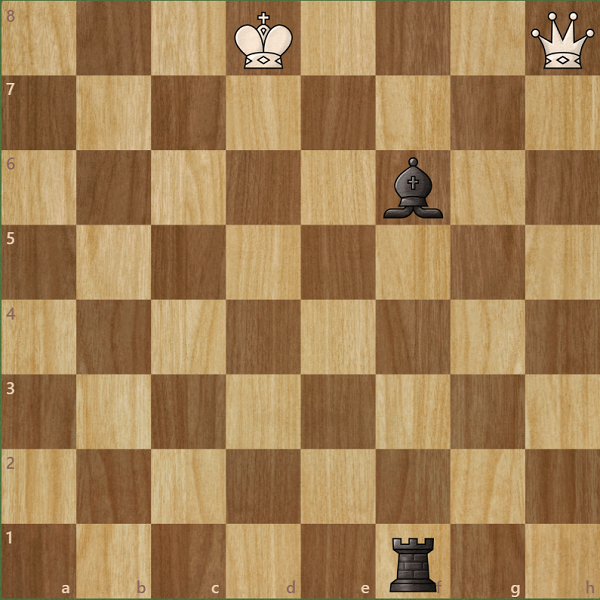
Bishop queen fork
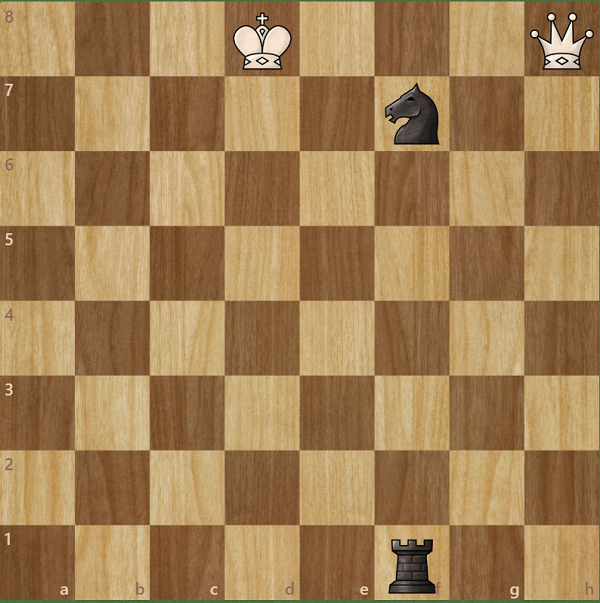
Knight check fork
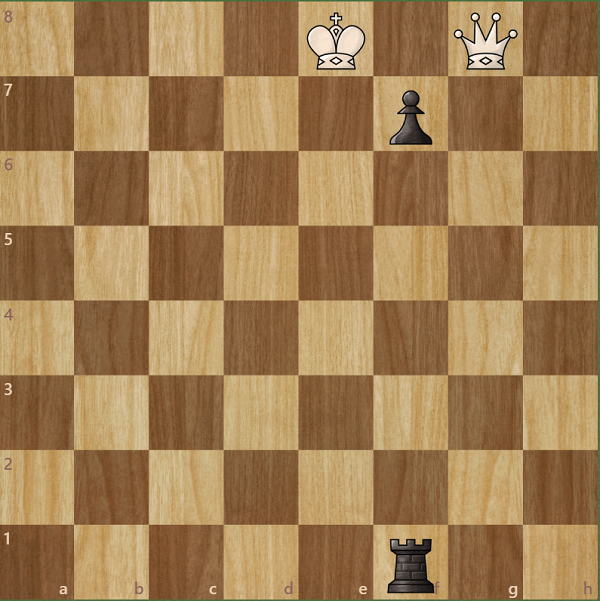
Pawn fork
What Is a Fork?
A fork happens when one move creates more than one threat. Since your opponent can usually answer only one of them, you often win material. In beginner games, forks appear all the time because pieces are left loose, crowded together, or placed on vulnerable squares.
- Knight forks: the most common and the most dangerous for beginners.
- Bishop or queen forks: often happen on diagonals when pieces line up carelessly.
- Pawn forks: simple, cheap, and brutally effective.
Why Forks Are Powerful
- They create two threats with one move.
- They force your opponent to choose what to save.
- They often win material immediately.
- They teach you to look for active, forcing moves.
How to Spot Forks
- Check every knight jump carefully.
- Look for pieces that are close together and not well defended.
- Pay attention to checks that also attack another piece.
- Do not ignore pawn advances. Pawns create nasty surprise forks.
How to Use Forks
- Improve your pieces so they can reach active squares.
- Look for forcing moves first, especially checks.
- Target high-value pieces like the king, queen, rooks, and loose minor pieces.
- Use pawn forks when enemy pieces drift too close together.
How to Defend Against Forks
- Keep valuable pieces separated when possible.
- Make sure loose pieces are defended.
- Watch enemy knight moves very carefully.
- When your opponent gives check, ask what else that move attacks.
Video Lesson: Forks
Watch this lesson to understand how forks work in real games.
- Common knight fork patterns
- How forks win material
- How to avoid getting forked
Final Thought
Forks are everywhere in beginner games. Spot them early, especially knight and pawn forks, and you will start winning more material almost immediately.
Video Lesson: CHESS TACTICS FOR BEGINNERS - PART 1 | ChessVibes | Nelson Lopez
Get a great start on understanding how to use basic tactics in real games.
- Common knight fork patterns
- How forks win material
- How to avoid getting forked
Final Thought
Tactics are vital in all chess games. Spot them early, especially knight and pawn forks, and you will start winning more material almost immediately.
Video Lesson: CHESS TACTICS FOR BEGINNERS - PART 2 | ChessVibes | Nelson Lopez
Continue your understanding of how to use basic tactics in real games.
- Common knight fork patterns
- How forks win material
- How to avoid getting forked
Final Thought
Tactics are vital in all chess games. Spot them early, especially knight and pawn forks, and you will start winning more material almost immediately.