Quick Start Plan for Beginner Chess Improvement Starts with Preventing Blunders
Fix Your Blunders (use it every move - Before You Move!)
📥 Download CCT Chart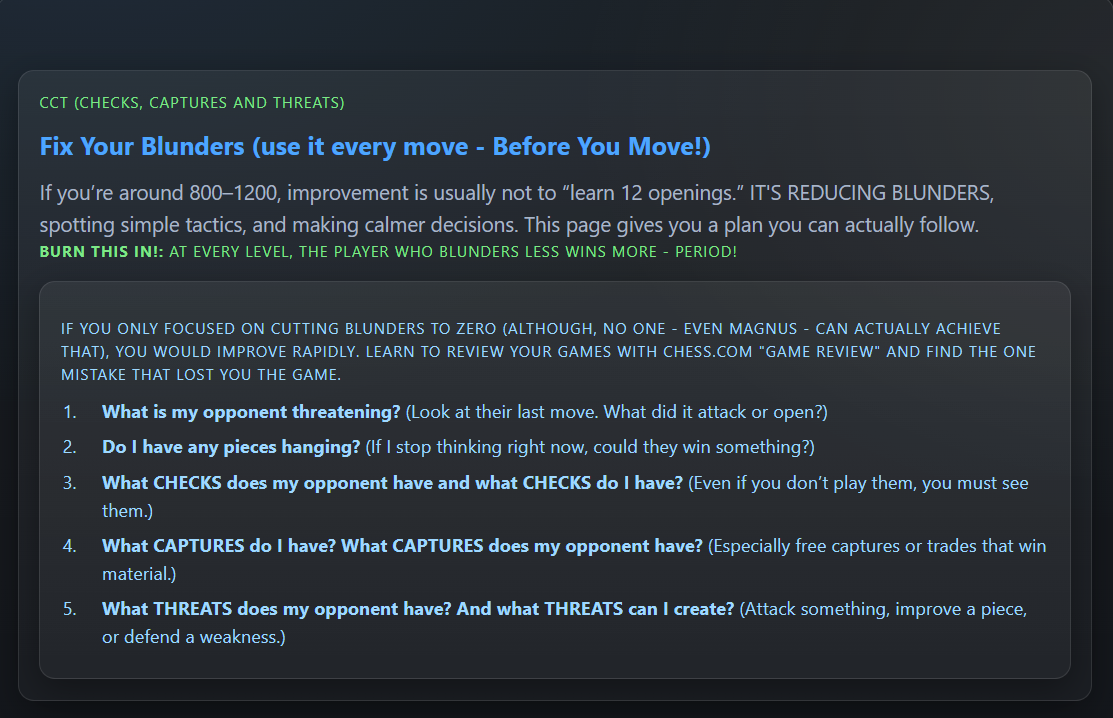
Follow all the steps first, then go here : The 30-Minute Daily Chess Improvement Plan
If you’re around 800–1200, improvement is usually not to “learn 12 openings.” IT'S REDUCING BLUNDERS, spotting simple tactics, and making calmer decisions. This page gives you a plan you can actually follow.
If you only focused on cutting blunders to zero (although, no one - even Magnus - can actually achieve that), you would improve rapidly. Learn to review your games with Chess.com "Game Review" and find the one mistake that lost you the game.
- What is my opponent threatening? (Look at their last move. What did it attack or open?)
- Do I have any pieces hanging? (If I stop thinking right now, could they win something?)
- What CHECKS does my opponent have and what CHECKS do I have? (Even if you don’t play them, you must see them.)
- What CAPTURES do I have? What CAPTURES does my opponent have? (Especially free captures or trades that win material.)
- What THREATS does my opponent have? And what THREATS can I create? (Attack something, improve a piece, or defend a weakness.)
Before we get to blunder prevention (Step 2)...
Step 1: Decide on a Simple Opening for White and study the King's Indian Defense (Black)
Openings are about reaching a safe, playable position. Focus on principles first, not memorizing lines. I suggest that you choose one of the three openings for White below, and at least for now, study the King's Indian Defense (Black) to get you started and solid in your openings knowledge.
The most important thing is to pick one White opening, study the King's Indian Defense for Black, and call them your primary starting point for a while. This gives you familiar positions so you can practice tactics and blunder prevention without feeling overwhelmed.
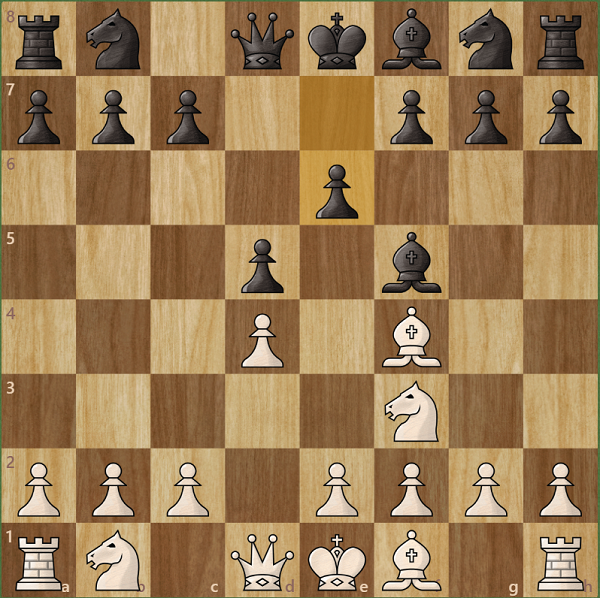
London System
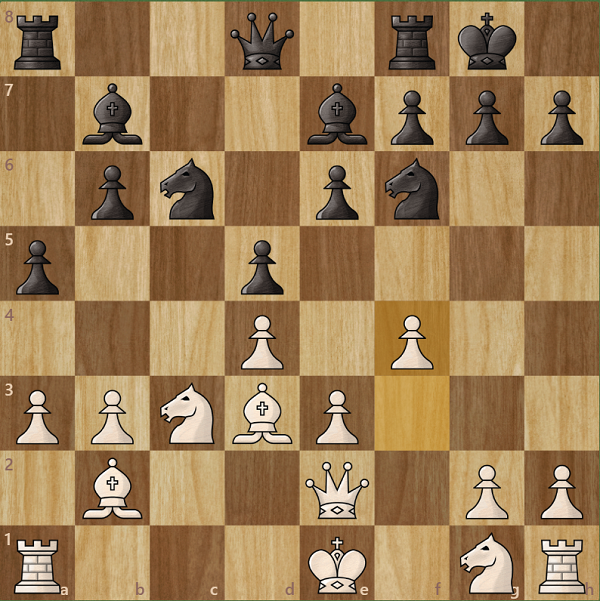
Stonewall
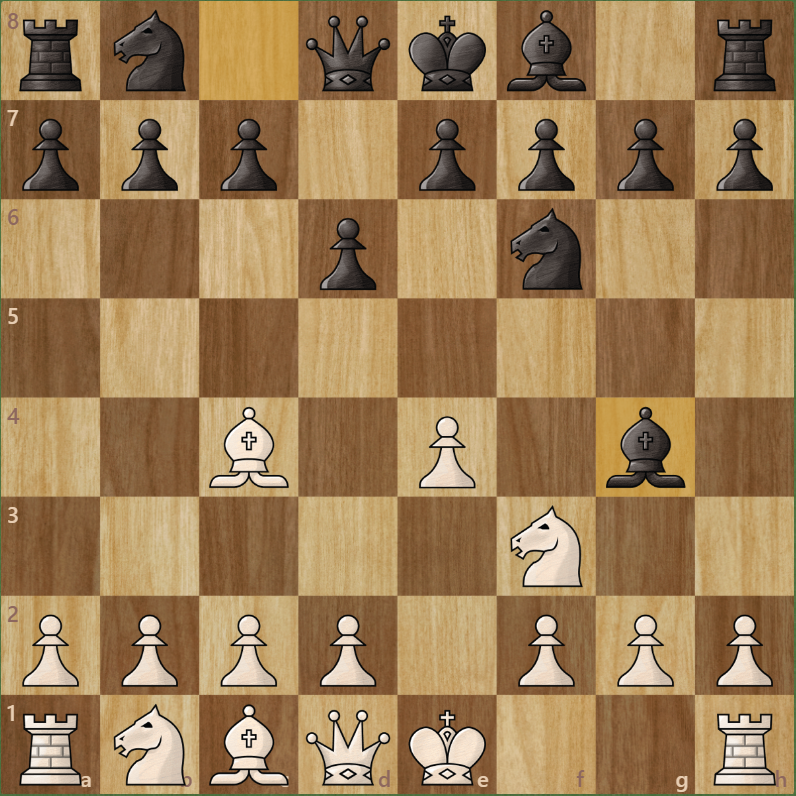
Bishop's Opening
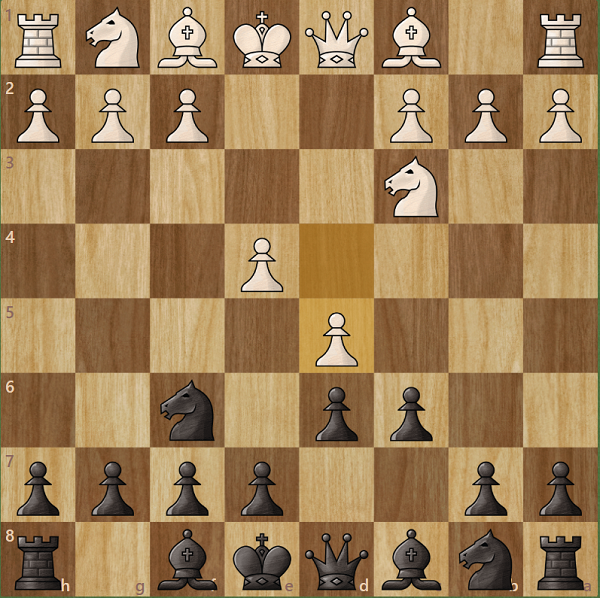
King's Indian Defense
Step 2: Stop blunders first : Blunder less - win more!
- What is my opponent threatening?
- Do I have any pieces hanging?
- What CHECKS does my opponent threaten and what CHECKS do I have?
- What CAPTURES do I have available? What CAPTURES does my opponent have?
- What THREATS does my opponent have? And what THREATS can I create?
This checklist sounds simple because it is. The secret is consistency. Use it ALL THE TIME! I know, it seems like it will slow you down at first, but that is exactly how better habits are built. With repetition it becomes second nature. 📥 Download CCT Chart
Study How to Prevent BlundersStep 3: Core tactics to study
Go to more tactics training in the libraryStep 4: Improve On Your Own: Game Review Explained (click link below)
If you have gone through the steps, go here next for daily practice : The 30-Minute Daily Chess Improvement Plan