Understanding Pins in Chess
Pins are one of the most useful tactical ideas in beginner chess. Once you learn to spot them, you will begin to notice them in your own games again and again. A pinned piece may look safe, but in reality it is often restricted, awkward, and vulnerable.
What Is a Pin?
A pin happens when pieces line up in a straight line. If the front piece moves, something more valuable behind it can be attacked or lost. Bishops, rooks, and queens are the pieces that usually create pins.
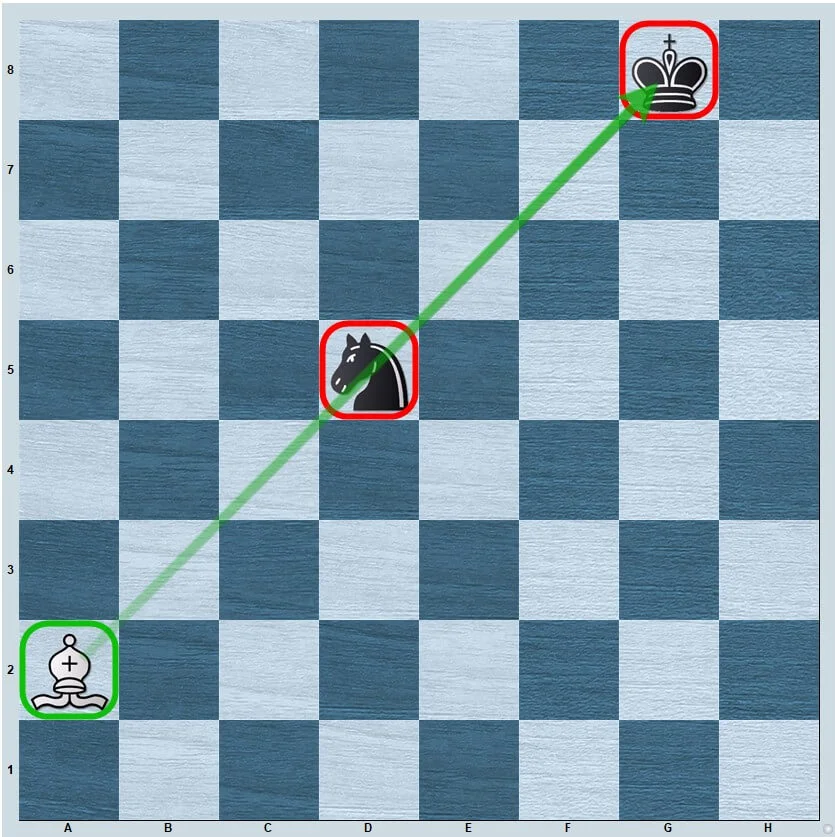
- Absolute pin: the piece is pinned to the king and cannot legally move.
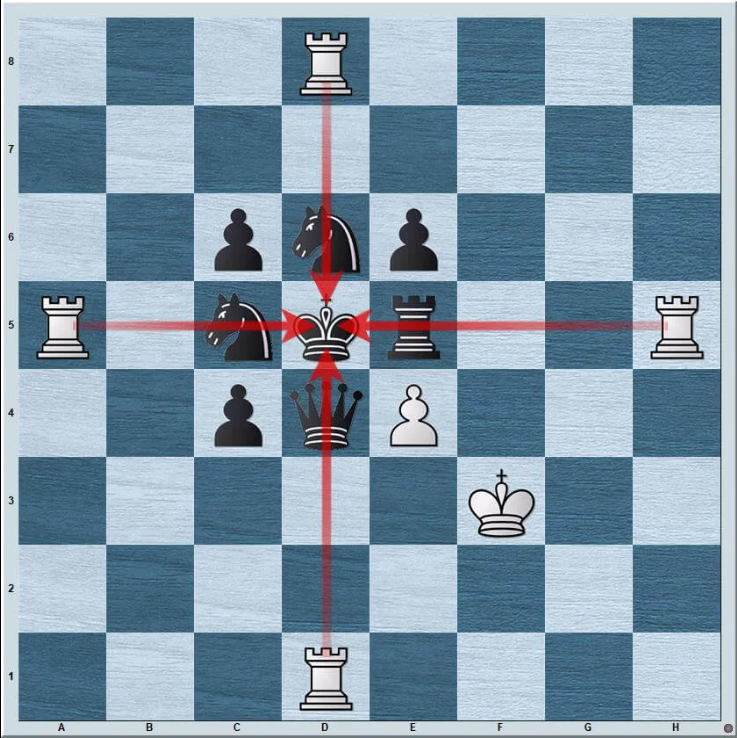
- Relative pin: the piece is pinned to a more valuable piece, such as the queen, and moving it usually loses material.
Why Pins Are Powerful
- They restrict your opponent’s movement
- They turn active pieces into weak pieces
- They create pressure and future tactical chances
- They often help win material
How to Spot Pins
- Pieces lined up in a straight line
- A king or queen behind another piece
- Bishops, rooks, or queens aiming through pieces
How to Use Pins
- Attack the pinned piece again
- Add more attackers
- Increase pressure gradually
- Target the more valuable piece behind it
How to Defend Against Pins
- Do not move the pinned piece blindly
- Block the line of attack
- Move the piece behind it if possible
- Add defenders or trade pieces
Example Diagrams
Bishop Pin (Absolute Pin)
Rook Pin on Open File

Relative Pin (to the Queen)
Video lesson: The Chess Nerd "10 Levels of Tactics: Master the Pin"
This is a great video showing the core ideas behind the pin tactic, and how to use it in your games. It’s worth watching and re-watching to really understand the concept. The examples are practical and beginner-friendly, so you can see how pins work in real games.
- How the pin works and its different types
- Why pins are powerful tactical threats
- How pins can be used to win material
Video courtesy of Chess Nerd. Embedded for educational commentary.
Final Thought
Pins are very common in beginner games. If you learn to recognize them, use them, and defend against them, you will start winning more material and making fewer blunders.